by Dr. Stephen Pelsue
Fri, Jul 24th, 2026 8:37 am
Small molecular changes can have surprisingly large biological consequences. Throughout evolution, tiny alterations to DNA, RNA, or proteins have shaped the way organisms function, adapt, and survive. Every so often, researchers uncover a change so unexpected that it challenges long-standing assumptions about how biology works. This is one of those discoveries.
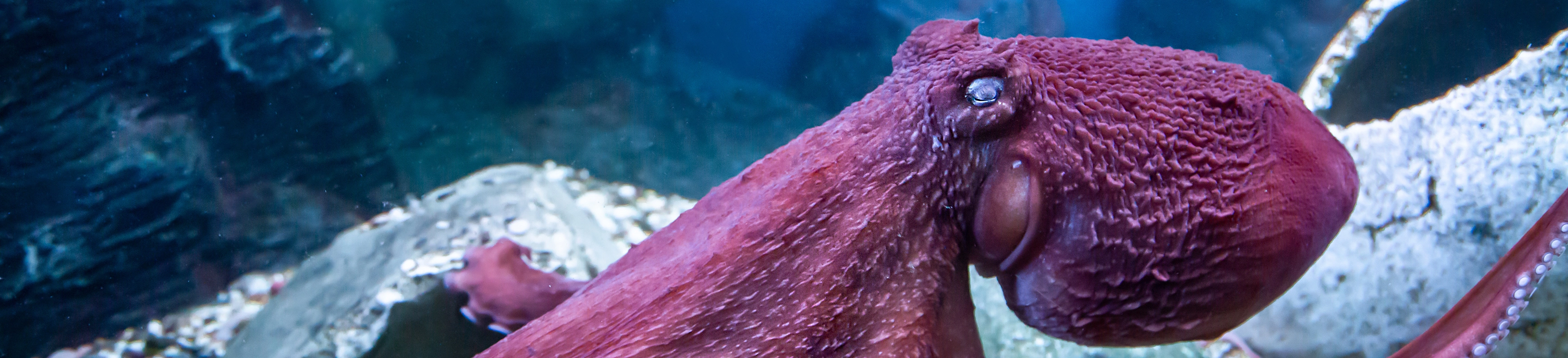
Octopuses have revealed a ribosome adaptation found nowhere else in nature. While examining routine RNA samples, Harvard researchers discovered that certain shallow-water octopus species carry a unique mutation in their ribosomal RNA. This mutation physically splits the ribosomal RNA (the near-untouchable core of biology’s protein synthesis machinery) into two fragments at a critical site involved in accurate protein assembly.
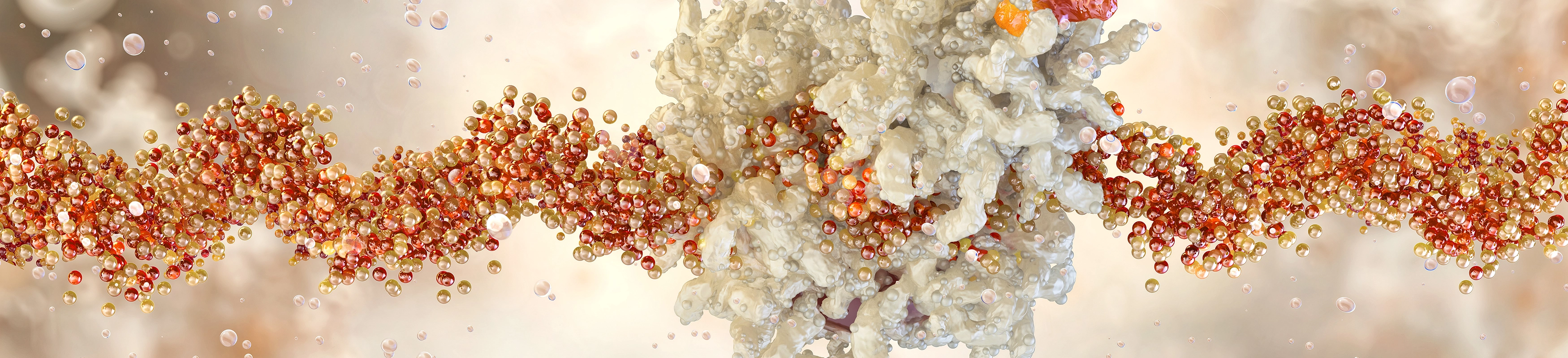
When the same break was introduced into E. coli, this same change reduced translation errors by about 50%. The octopus ribosomes with the break, however, synthesize proteins more accurately but much slower. The precision of this process pays off because it prevents misfolded proteins from clumping into toxic aggregates.
The mutation appears in 15 shallow-water octopus species but was not found in any of the 12 deep-sea species examined, suggesting that this ribosomal adaptation emerged roughly 100 million years ago. This timing coincides with when octopuses transitioned into shallow-water environments and began evolving their unusually large and complex nervous systems. While the discovery offers a fascinating glimpse into octopus evolution, scientists caution that it does not prove the ribosome change directly contributed to their intelligence.