
by Dr. Stephen Pelsue
Thu, May 28th, 2026 9:28 am
In 1989, an amazing discovery was announced: the gene that caused cystic fibrosis was discovered. This was big news for two reasons:
1) While cystic fibrosis was originally identified in 1938 by American pathologist Dr. Dorothy Anderson, little was known about how it developed;
and 2) the novel technique that was used to determine the gene was groundbreaking and would change the field of medical genetics overnight.
At the time, the human genome had not yet been sequenced, making the search for disease-causing genes a complex and time-consuming process. Linkage analysis was used to map genes, inherited traits, & diseases to specific chromosomes, that narrowed down the location of a specific gene. Think of the genome as a map: chromosomes would represent the Interstate Highways, which narrowed down the location tremendously. But think of all of the houses that could be located near that highway! Further genetic analysis could get you to the right town, and possibly the right neighborhood, but in general (unless you got really lucky) it would not provide the actual address.
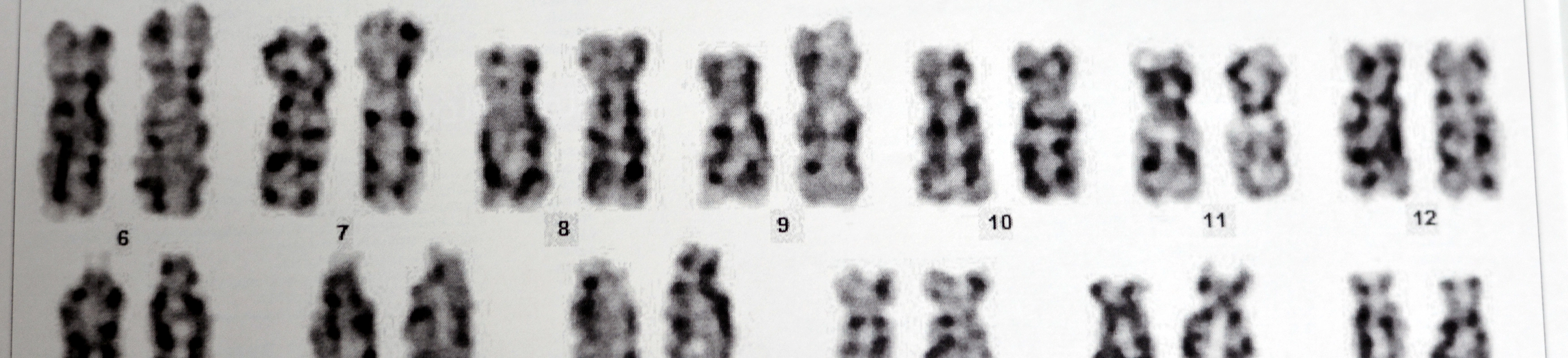
Dr. Francis Collins and his team developed a new method for locating disease genes directly from the genetic map. They began by identifying DNA markers that flanked the region associated with cystic fibrosis—one above and one below the suspected location on the chromosome, as close to the target gene as possible.
Next, they broke the chromosome into fragments and sequenced short stretches from each end. By repeatedly using this approach from both flanking markers, they progressively “walked” toward the disease gene from both directions, narrowing the gap between the starting points. Eventually, these overlapping segments connected the region into a continuous stretch of physical DNA.
Once the region was fully assembled, researchers could analyze the genes within it and compare DNA from individuals with cystic fibrosis to identify the disease-causing variants. This approach, known as positional cloning, fundamentally changed how scientists searched for genes responsible for inherited diseases. From my personal experience, it transformed the entire field of genetic discovery.

This new method was transformative. The discovery of the Cystic Fibrosis Transmembrane Conductance Regulator or CFTR allowed the development of new treatments and more recently specific modulators that stabilize the protein and improve the function of the altered protein. When the gene was discovered, a single deletion, deltaF508, was indicated to be responsible for the development of CF. As genomic sequencing has expanded across diverse populations worldwide, more than 1,000 CFTR variants have now been classified in the CFTR2 database.
May is Cystic Fibrosis Awareness Month, making it an ideal time to reflect on the remarkable progress achieved since the discovery of the CFTR gene more than 35 years ago. Advances in newborn screening and targeted therapies have transformed the outlook for many patients, but continued efforts are needed to ensure these benefits reach every child.
To learn more about CF, please go to the Cystic Fibrosis Foundation website.