
by Dr. Stephen Pelsue
Fri, Feb 27th, 2026 2:57 pm
Cells are very dynamic creatures. We typically think about them in the context of growing, dividing, and specializing to generate organisms. The orchestra of activities to allow animals to thrive is almost inconceivable. They are also very sensitive to their environment and can cease functioning and become quiescent or senescent. In fact, if they are being attacked or functionally faltering, they undergo programed cell death or apoptosis which is an organized dismantling of a cell to protect the host. But a new cellular state has been discovered, and it comes from the ....undead.
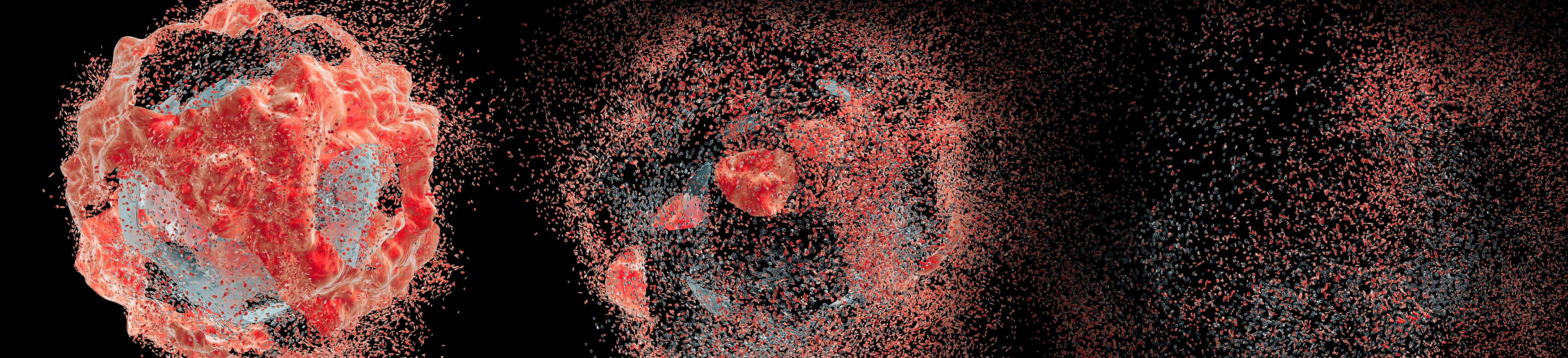
That's right! New cellular vesicles have been identified that do not have a nucleus (therefore no genetic capability of reproducing) but they are metabolically active and shuttle cellular materials from one cell to another. They have been named "Zombosomes" as they are not alive but they are functional. They were discovered in brain cells called astrocytes and it was also shown that they could carry protein aggregates that are associated with Parkinson's Disease and induce the pathology from an affected cell to a healthy cell, in a zombie -like fashion of course.
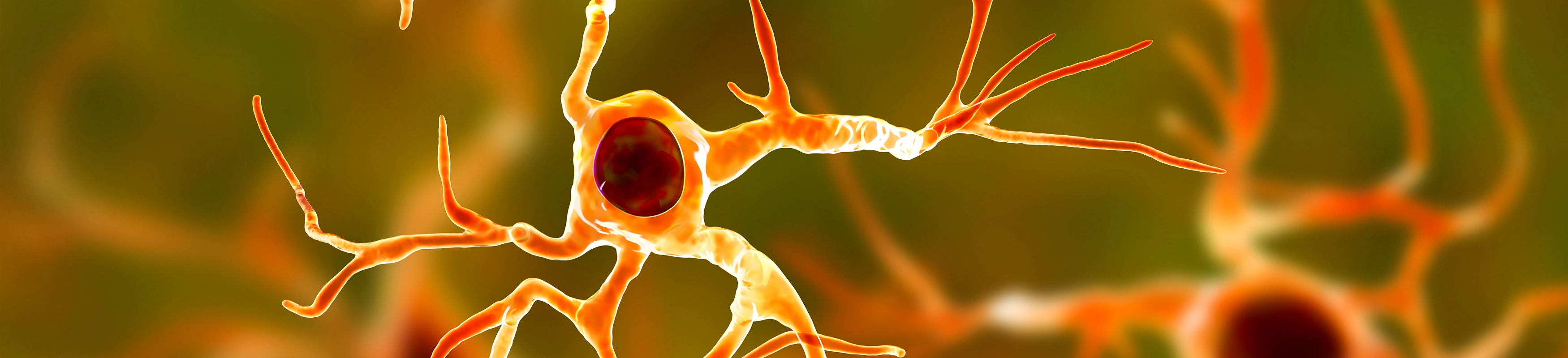
Now extracellular vesicles like this are not uncommon, for example platelets and red blood cells are anucleated cells or vesicles that have critical functions. They have metabolic function but do not have genetic material. This new zombosome however is a bit unique in that it induces pathology and may be associated with a disease state rather than normal cellular functions. Understanding these might prove to be able to disrupt the development or expansion of Parkinson's Disease.