by Dr. Stephen Pelsue
Fri, Apr 24th, 2026 8:05 am
April 25th is DNA Day which celebrates the discovery of the structure of DNA and the publication of the first draft of the Human genome. It is hard to imagine now, however less than 100 years ago, we did not know that DNA was responsible for the transmission of genetic information. While all the biomolecules had been identified and the principle of the gene was understood, the physical properties were completely unknown. A series of what I think are some of the most elegant studies from the late 1920’s into the 1940’s led to the understanding that DNA was the genetic material.
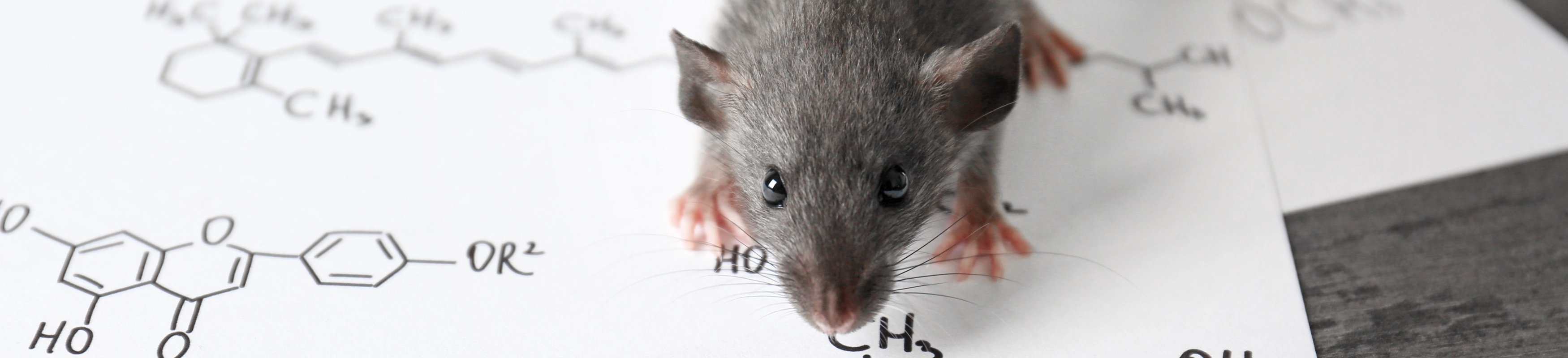
Frederick Griffith was a bacteriologist in the UK that in 1928 published a study that demonstrated that cellular material was responsible for the transmission of traits. He used a virulent strain (S, for smooth) and non-virulent strain (R, for rough) of Streptococcus pneumoniae to show that traits could be transferred from one cell to another. When mice were infected with the S strain, they died rapidly. In contrast, mice infected with the R strain became ill but eventually recovered. The surprise came when the S strain was heat-killed. Alone, it was innocuous—but when mixed with the R strain, it turned the once harmless bacteria deadly for the mice. Griffith referred to this as “transformation”, and it became known as Griffith’s Transformation Principle. The idea that cellular material from one type of cell could transform another cell was groundbreaking.
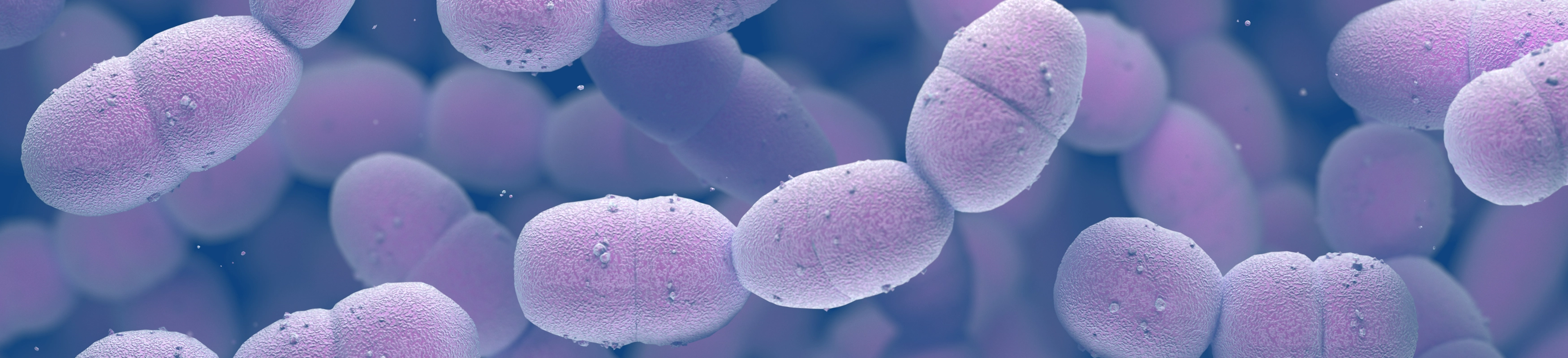
Griffith’s transformation principle fascinated Oswald Avery, though he initially believed it to be a mistake. How could cellular material alter the properties of another cell? Avery quickly confirmed Griffith’s principle and turned his focus to the cell’s outer structure (smooth or rough capsid). He believed this structure was responsible for the transformation. While the functional differences between the capsids was in fact responsible for determining virulence, it was not the material that was responsible for transforming the R cell into an S cell. He then systematically evaluated each class of biomolecules to determine what was responsible for the transformation. Using heat and degrading enzymes, he removed carbohydrates or RNA from heat-killed S cells. When the remaining material was mixed with R cells, transformation still occurred. However, when DNA was specifically degraded using nucleases, transformation no longer occurred. Oswald Avery had demonstrated that DNA was the genetic material responsible for hereditary.
The combination of these two studies "transformed" (pun intended) genetics from the study of the flow of information to the study of the structure and function of DNA and initiated the race to discover the structure of DNA.