by Dr. Stephen Pelsue
Tue, Mar 24th, 2026 9:42 am
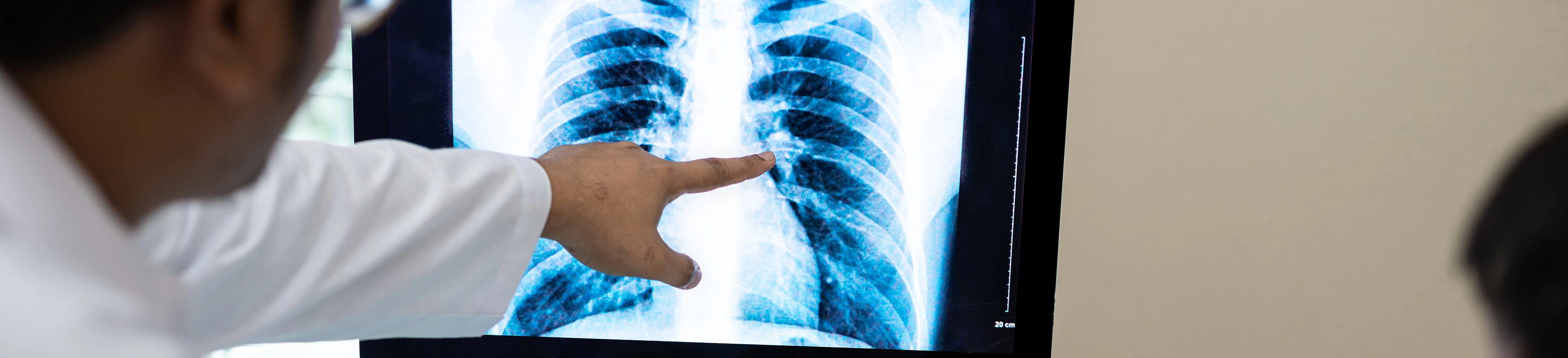
Observed each year on March 24, World TB Day raises awareness of the ongoing global tuberculosis epidemic and commemorates Robert Koch’s 1882 discovery of Mycobacterium tuberculosis, the bacterium responsible for the disease. Tuberculosis has affected humans for thousands of years and was once known as “consumption” or the “white plague,” devastating cities in Europe and North America before modern antibiotics and public health measures provided us with the ability to detect and treat TB infections.
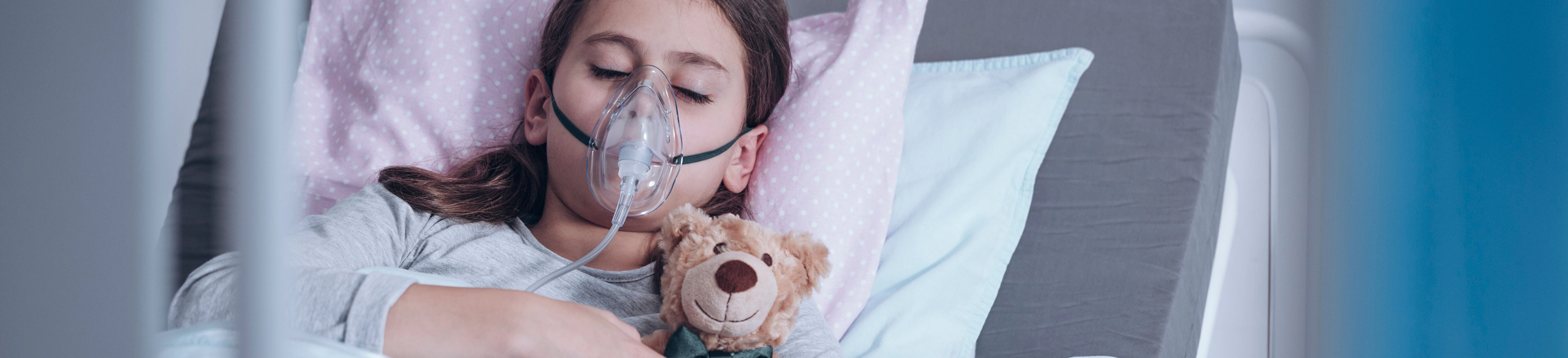
Today, TB still causes over 10 million cases and more than a million deaths globally each year, and typically around 10,000 cases and 500 deaths in the US each year. Recent research offers several encouraging advances: a recent Yale study found that TB can be detected in saliva with high accuracy, offering a simpler alternative to sputum collection particularly in pediatric populations and patients unable to produce adequate specimens.
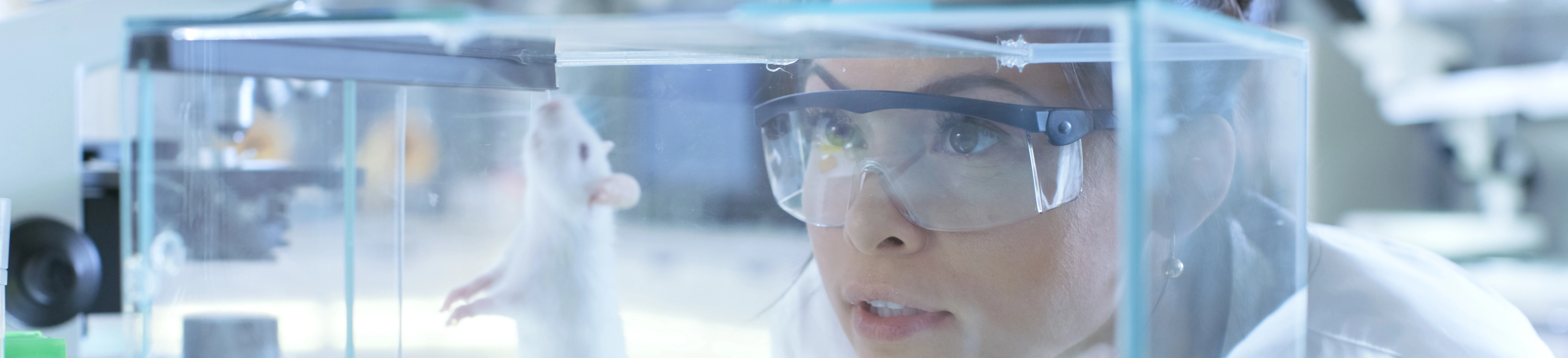
At the University at Buffalo, a research group reported an inhalable rifampin nanoparticle treatment that kept drug levels high in the lungs for up to a week in mouse models, suggesting a future in which TB therapy could be more targeted, less toxic, and easier to take. A research group at Harvard studied changes in TB gene regulation that have been associated with greater transmission and drug resistance, including variants associated with lower expression of key virulence proteins, which may help explain why some strains spread so successfully and why vaccine or diagnostic targets can shift over time.
While we have known the cause of TB for over 140 years, we still struggle to detect and treat TB infections globally. With advances such as these, alongside many other recent discoveries, we are moving closer to the possibility of ending TB through global public health action and scientific innovation.
https://www.who.int/campaigns/world-tb-day
https://ysph.yale.edu/news-article/saliva-test-shows-high-accuracy-for-detecting-tuberculosis/
https://academic.oup.com/cid/advance-article/doi/10.1093/cid/ciag055/8508655
https://www.buffalo.edu/news/releases/2026/02/Inhalable-treatment-for-TB.html