by Dr. Stephen Pelsue
Fri, Nov 21st, 2025 10:09 am
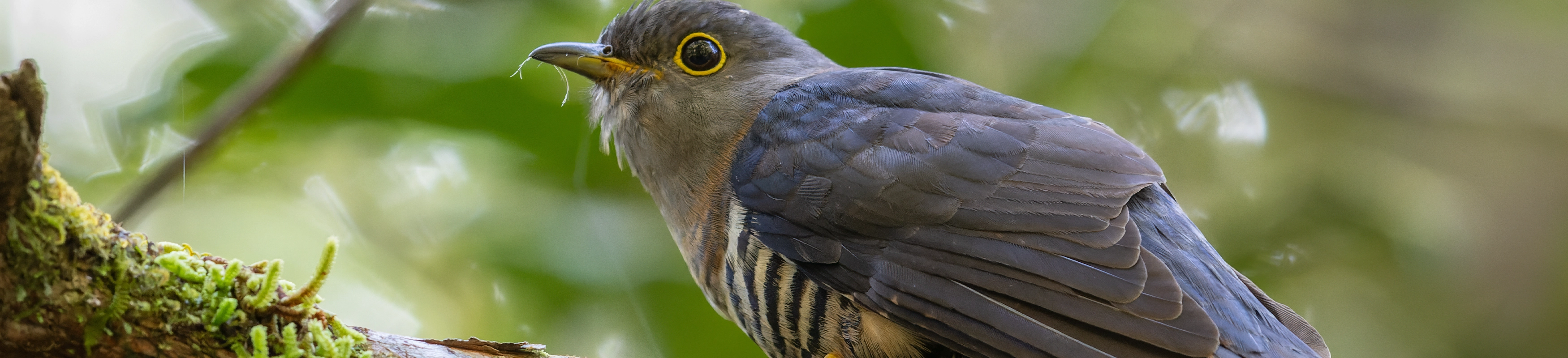
Nature's most notorious deadbeat parents just got more interesting. Common cuckoos don't build nests or raise their young. Instead, they sneak their eggs into other birds' nests, tricking unsuspecting foster parents into doing all the work - a strategy known as brood parasitism, where one species relies on another to incubate its eggs and raise its young. But here's the puzzle: cuckoos target multiple host species, mimicking distinctly different types of eggs’ shapes, sizes, and colors. How does one bird species produce eggs that match so many different patterns and colors?
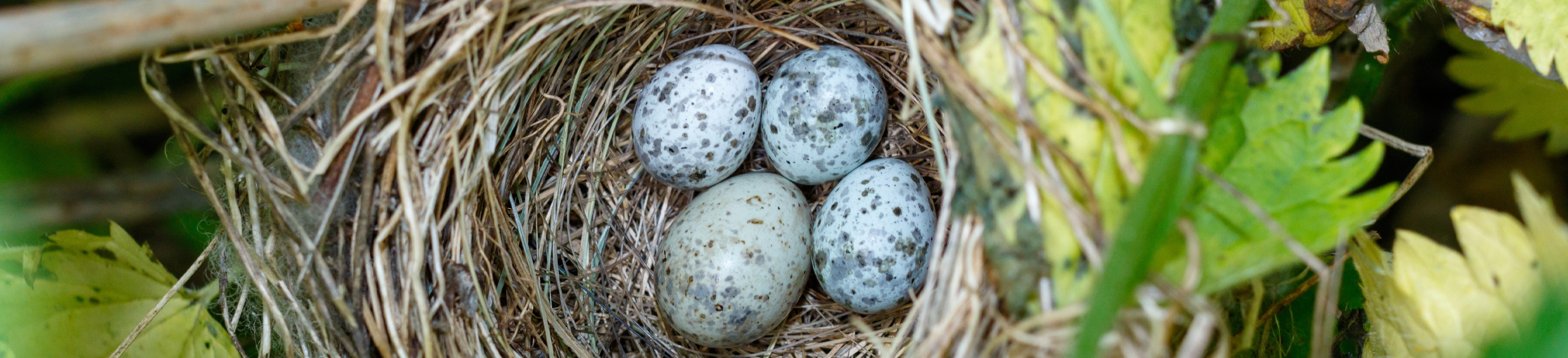
Cuckoo Egg in Marsh Warbler Nest
A recent study has finally determined the genetics of this unique evolutionary adaptation. Researchers analyzing cuckoo genomes across Eurasia discovered that egg mimicry involves a sophisticated mix of genetic inheritance patterns. Some egg traits are passed down exclusively through females via the W chromosome (the bird equivalent of our Y chromosome), allowing different female lineages to specialize in fooling specific hosts. But that's not the whole story.
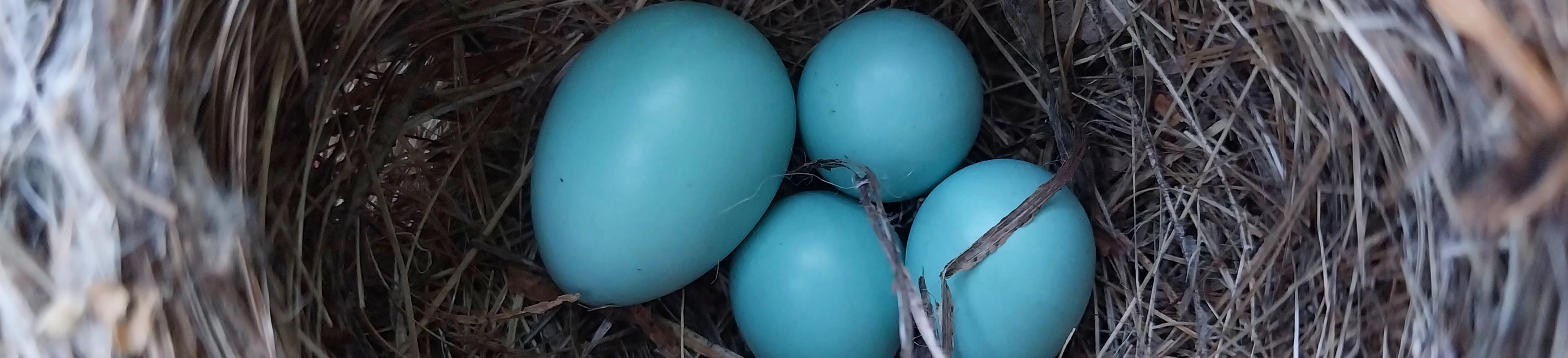
Cuckoo Egg in Chestnut-flanked White-eye Nest
The research revealed that genes inherited from both parents also play a role, particularly when cuckoos in different geographic regions exploit locally available hosts. This creates what is referred to as "geographic mosaic", where different evolutionary strategies work simultaneously across the cuckoo's vast range. The findings even hint at how eggshell pigments might be controlled through mitochondrial genes, which affect the production of the compounds responsible for blue, green, and brown egg colors.
While we tend to frown on this type of negligent parenting behavior, this evolutionary adaptation does allow for the Cuckoos to lay more eggs and increase the survival rate of the species.